Why Spatial Design Shapes the Way We Feel
When we enter a space, our body understands it long before our mind does. The temperature, the light, the rhythm of footsteps against a floor..

By
Elias Novak
Published
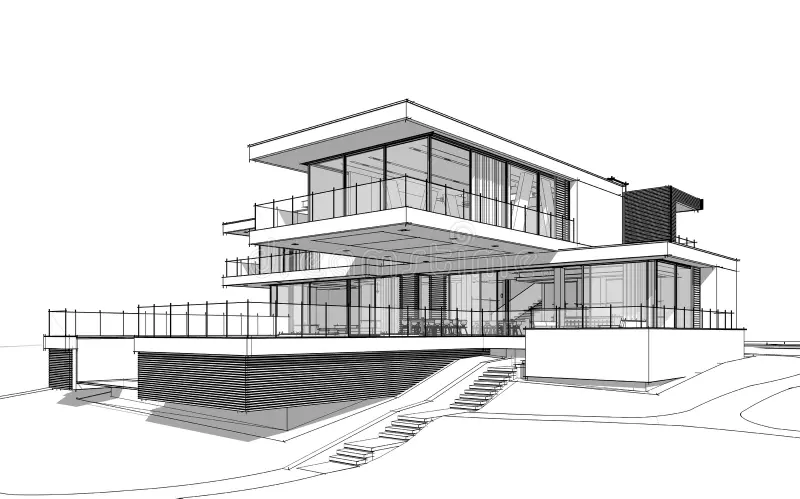
When we enter a space, our body understands it long before our mind does. The temperature, the light, the rhythm of footsteps against a floor — each element becomes part of an unspoken language. At Lucid Studio, we think of design not as the arrangement of objects, but as the choreography of experience. Spatial design is, at its core, emotional architecture.
The invisible dialogue between space and self
Every room carries a mood, and that mood begins with intention. A low ceiling can comfort or confine. A shaft of morning light across rough plaster can soften an entire atmosphere. These details might seem incidental, but together they form the emotional logic of a place.
Spatial design asks us to think beyond what something looks like — to consider how it behaves. How it slows us down, invites pause, or opens the mind. In a world of constant noise, spaces that allow us to feel quietly human are rare, and therefore invaluable.
The role of material honesty
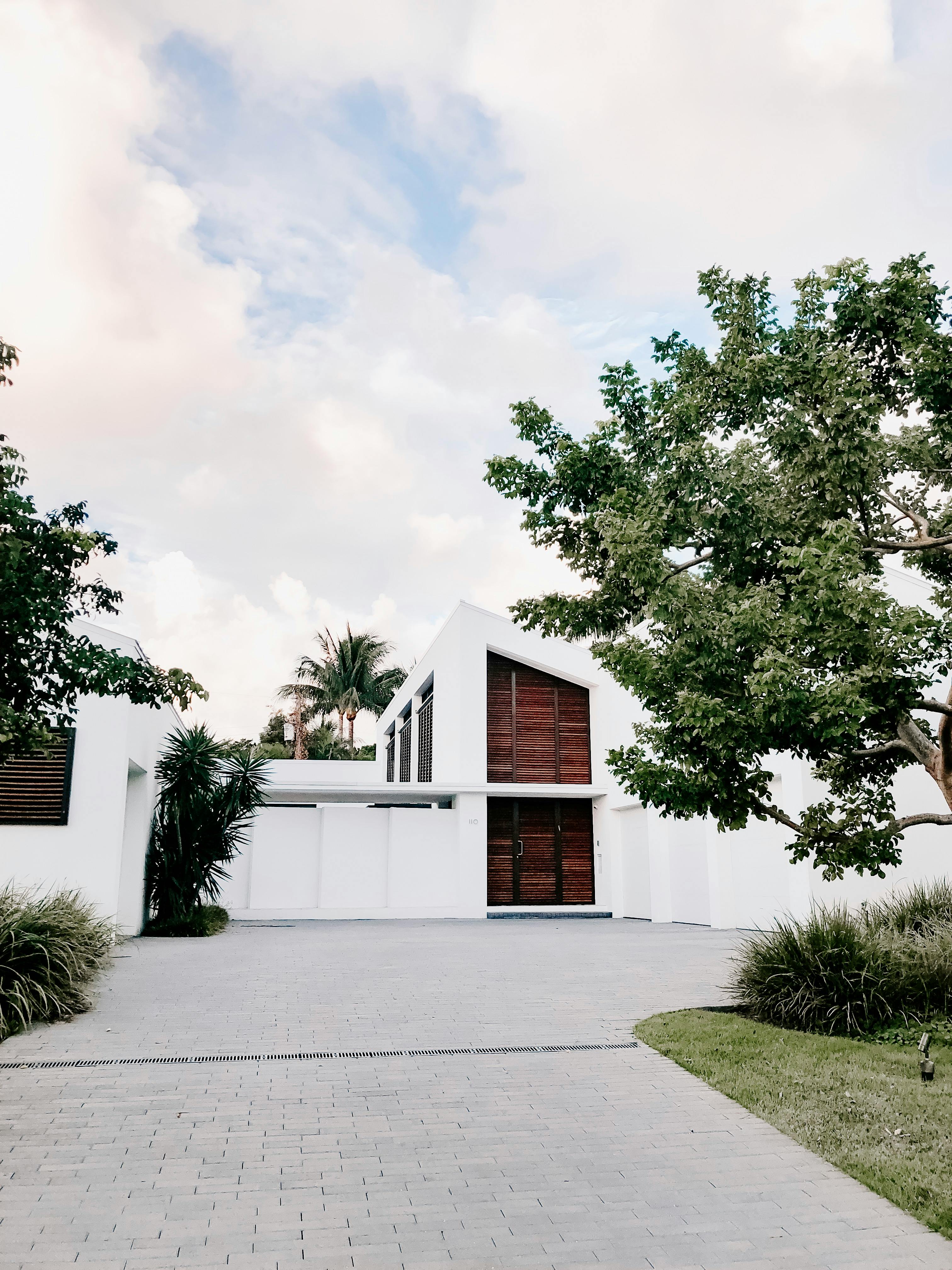
Material is memory. The grain of timber, the texture of linen, the cool weight of stone — each surface tells us how to move through it. When materials are authentic, their honesty becomes grounding. Oak feels familiar because it bears the traces of touch; plaster walls breathe because they are alive to the air.
In our practice, we choose materials for how they age, not how they appear on day one. Patina is not imperfection — it’s the story of use. A space that changes over time becomes part of the life it holds, not an object separate from it.
Designing through restraint
Restraint is often mistaken for minimalism. In truth, restraint is generosity — it gives space for light, proportion, and silence to speak. By reducing, we reveal. Every line and junction must earn its place; nothing is added simply to fill a void.
This approach is not about cold precision, but about clarity. A restrained environment amplifies the qualities that matter: the way morning sun washes across a floor, the acoustics of quiet conversation, the comfort of human scale. Restraint lets emotion breathe.


More articles you might like
Explore other insights and ideas from our studio to keep learning and stay inspired.